Buying an air rifle: a complete guide to making a responsible choice
Are you interested in buying an air rifle? Whether you are a beginner who wants to start recreational shooting, a competitive shooter who wants to improve their skills, or someone looking for an air rifle to control pests, proper preparation is essential. Buying an air rifle requires knowledge about the different types, how they work, legislation, safety rules and maintenance. In this comprehensive guide, we take you step by step through everything you need to know before purchasing an air rifle.
What is an air rifle?
An air rifle is a type of weapon that uses compressed air or gas to shoot pellets or bullets through a barrel. This is in contrast to firearms, which use an explosive charge to fire the projectile. Due to the use of air pressure, air rifles are relatively quiet, easy to use and less dangerous than firearms, provided they are used correctly. Air rifles come in all shapes and sizes, suitable for recreational shooting, sport, training and even small game hunting.
Air rifles are used in many countries as an entry-level weapon for learning how to shoot responsibly. They are also popular for learning technique and precision, as shooting with an air rifle causes fewer startle reactions than firearms.
How does an air rifle work?
An air rifle uses air pressure to propel the pellet through the barrel. There are various ways in which this air pressure is generated. The three most common systems are spring pressure, CO2 and PCP.
Spring pressure air rifles
In spring-loaded models, a spring is manually tensioned by “cocking” the weapon. As soon as the trigger is pulled, the spring is released and a piston compresses the air in the barrel. This compressed air propels the pellet outwards with force. This type of weapon is reliable, relatively inexpensive and easy to maintain. A disadvantage is that you have to reload after each shot and that the shot has some recoil.
Spring-powered rifles are often regarded as traditional air rifles and are ideal for beginners and recreational use. They are robust and require little additional equipment.
CO2 air rifles
In CO2 rifles, the pressure is supplied by a small gas cartridge containing carbon dioxide. This makes it possible to fire multiple shots without manually cocking the rifle. CO2 rifles are popular with recreational shooters and beginners because they are easy to use. They are usually slightly less powerful than PCP rifles, but they do have a constant pressure, which ensures good accuracy.
A disadvantage of CO2 guns is that the gas cartridges need to be replaced regularly, which incurs additional costs. These models also perform less well at low temperatures because CO2 evaporates less easily.
PCP air rifles
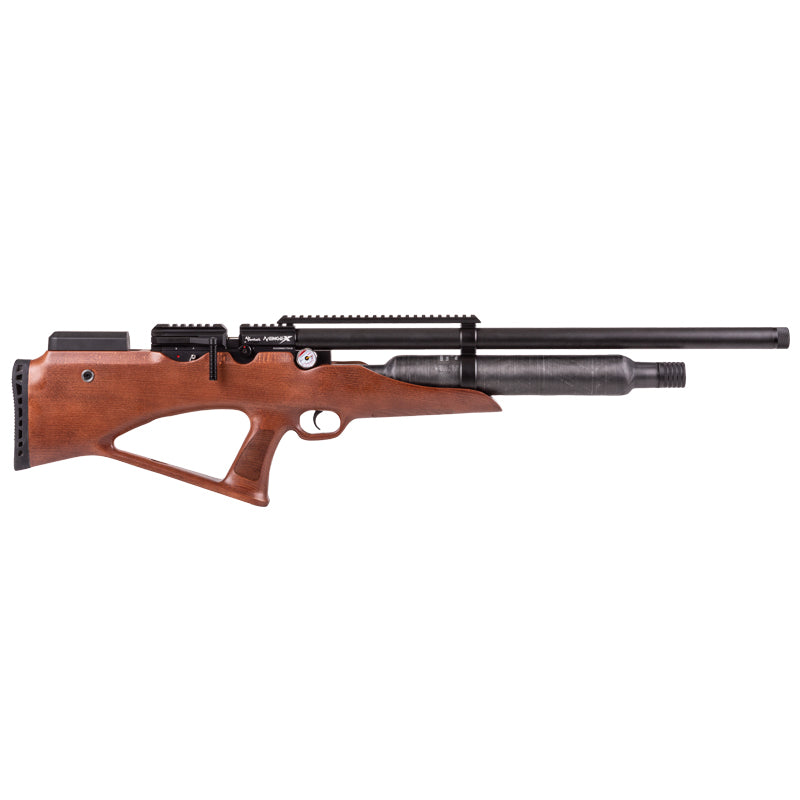
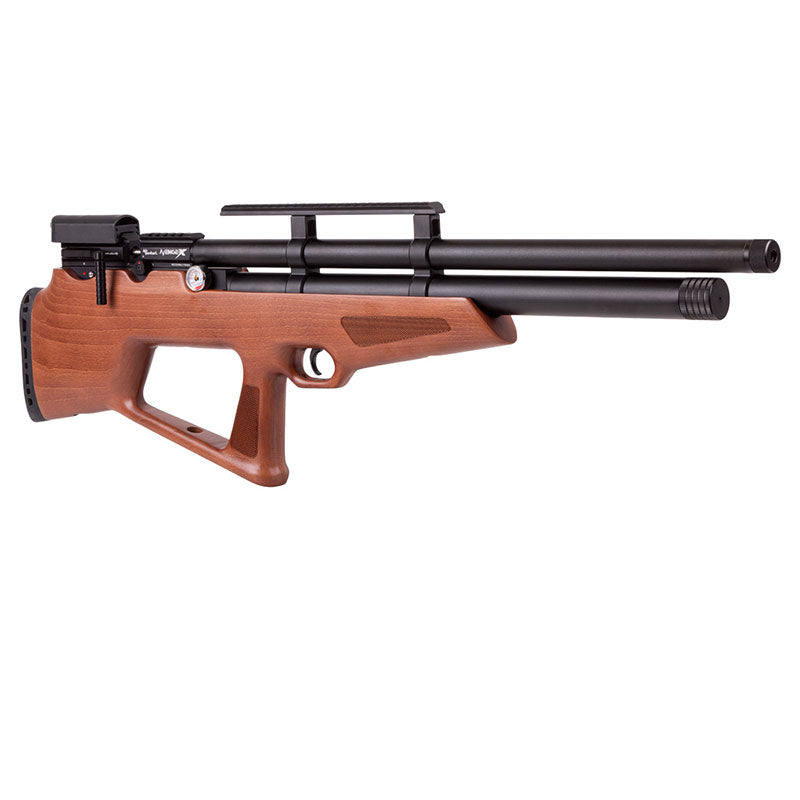
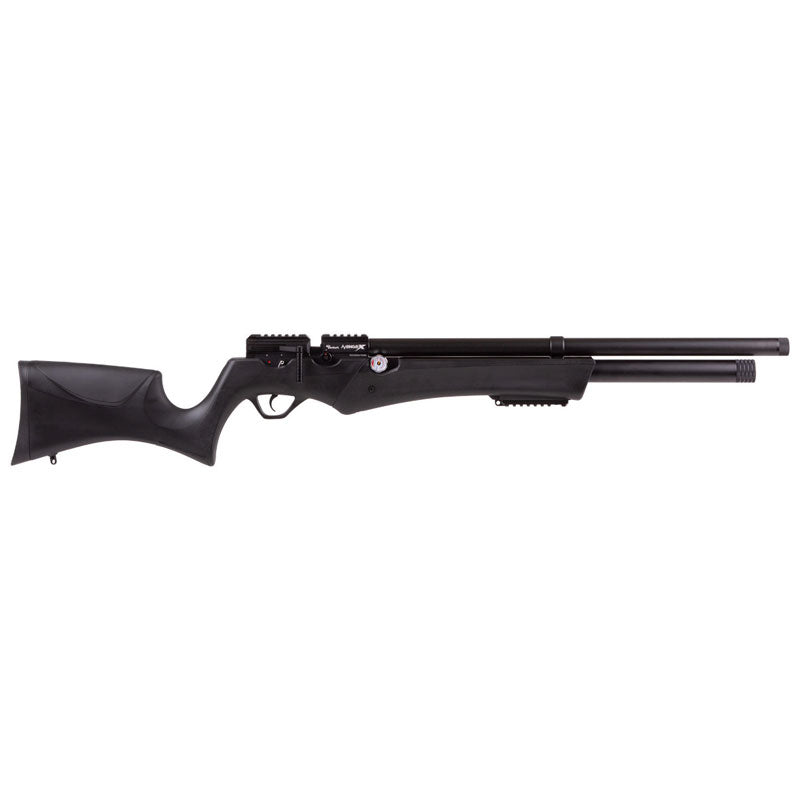
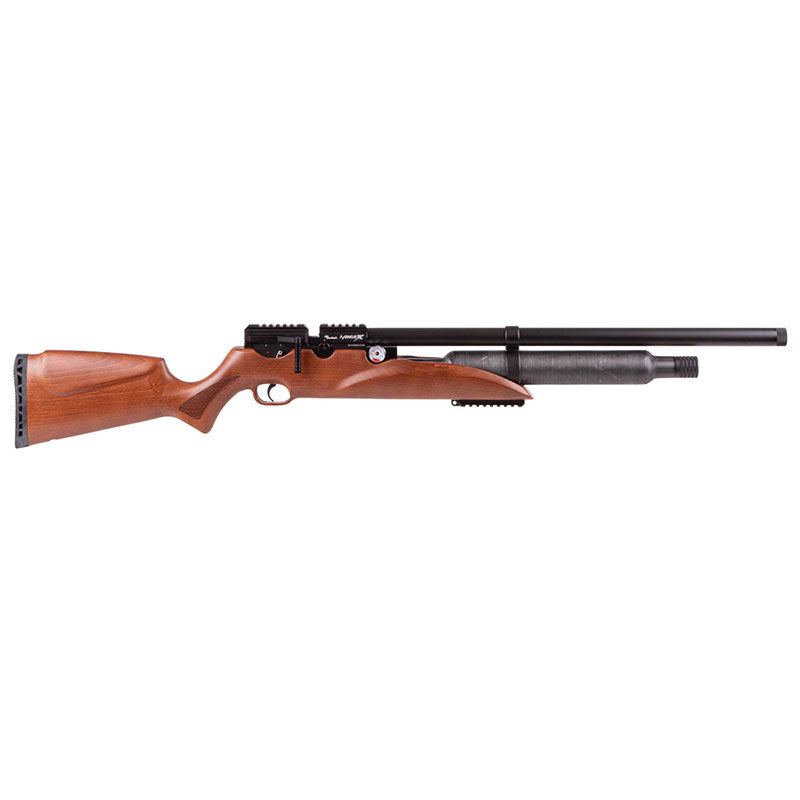
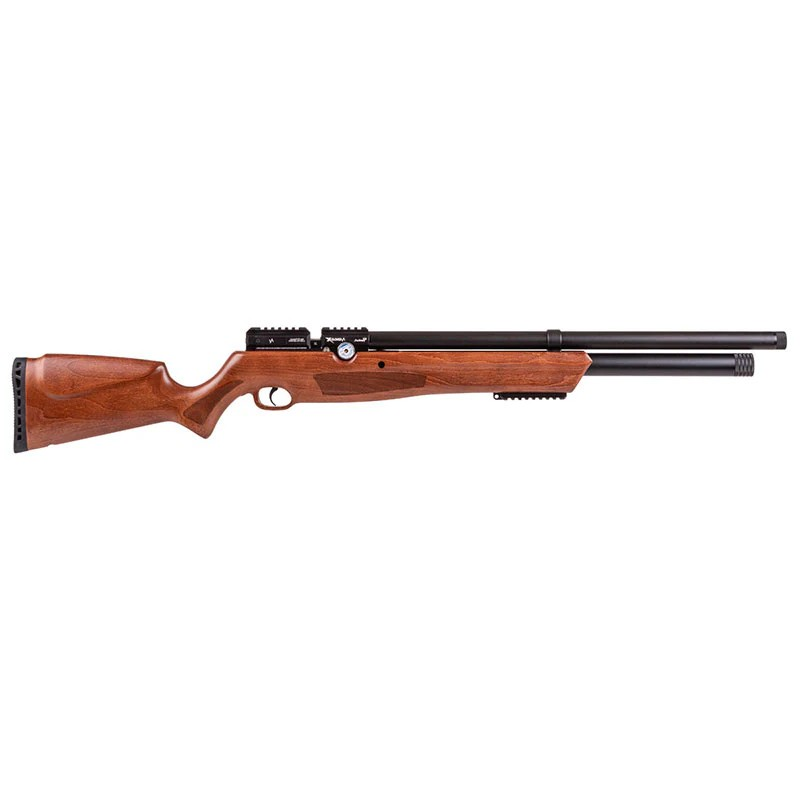
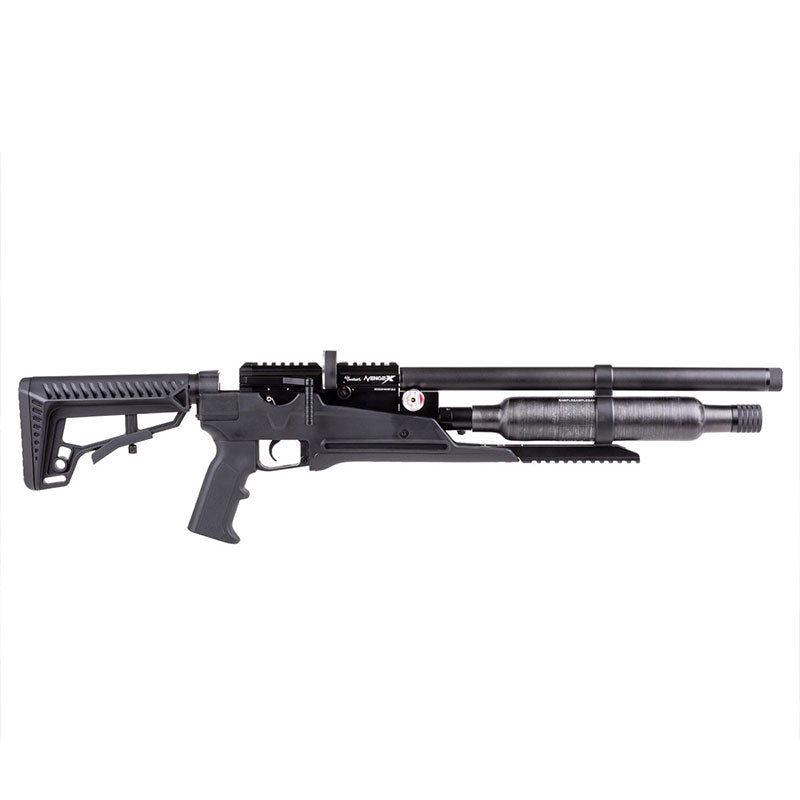
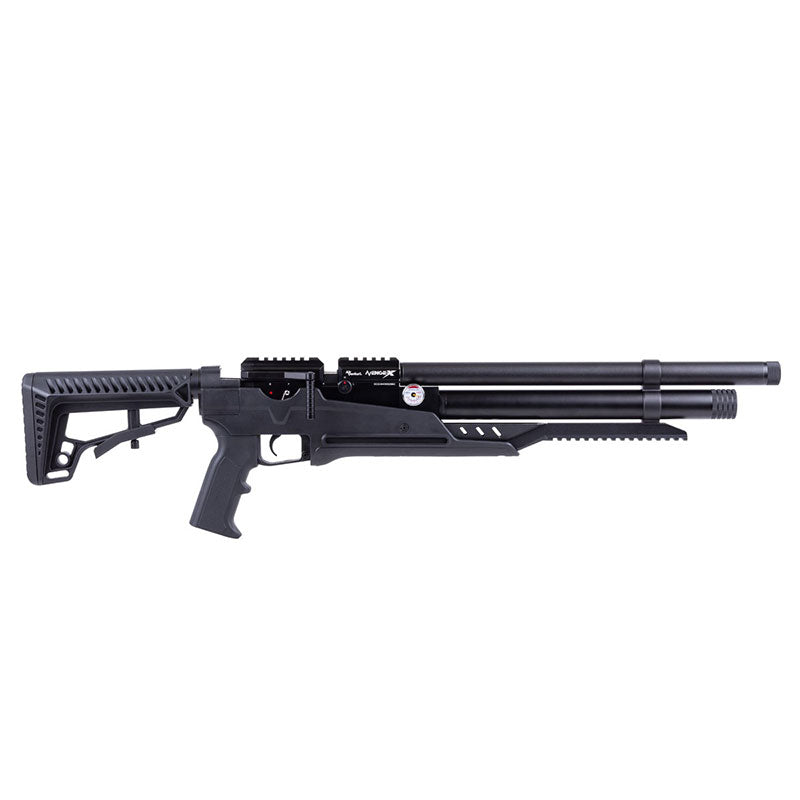
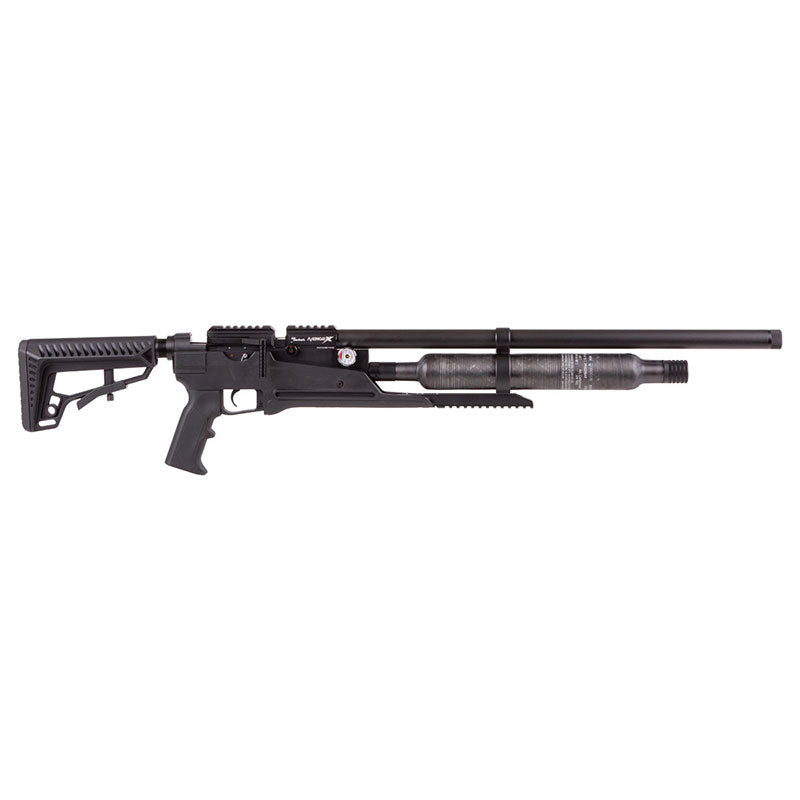
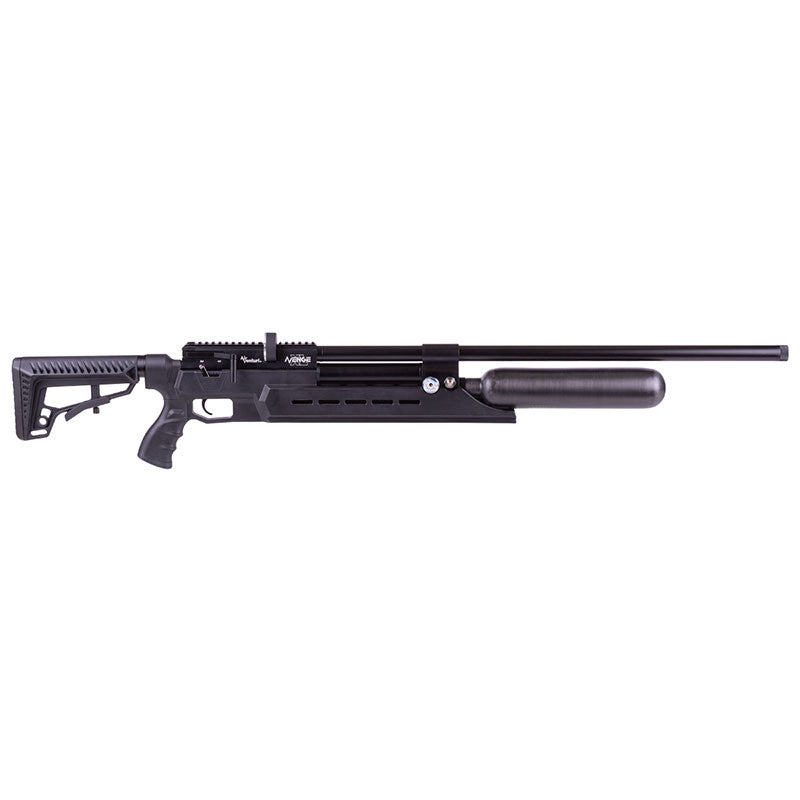
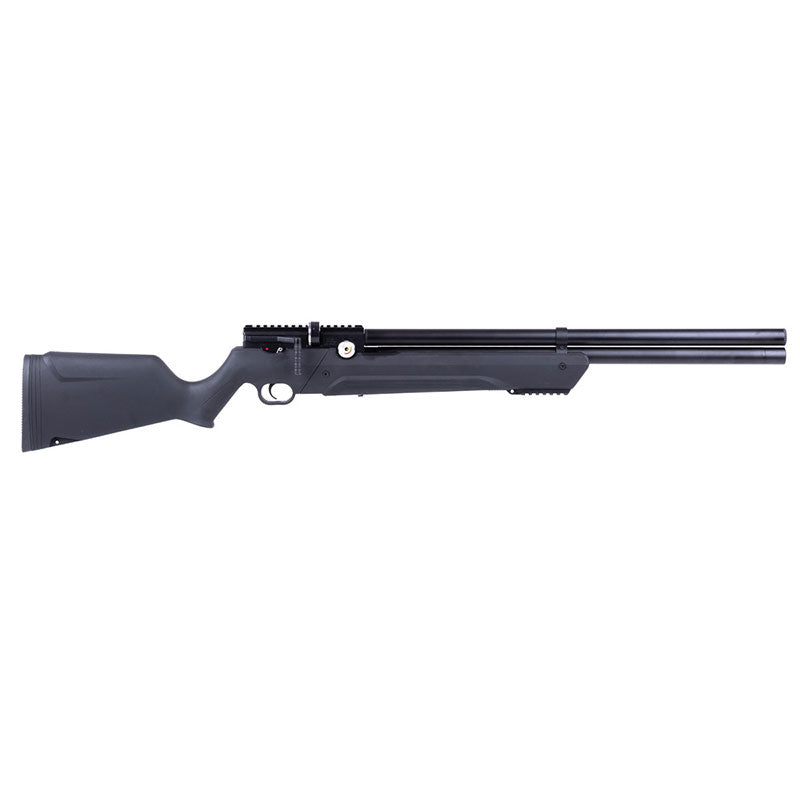
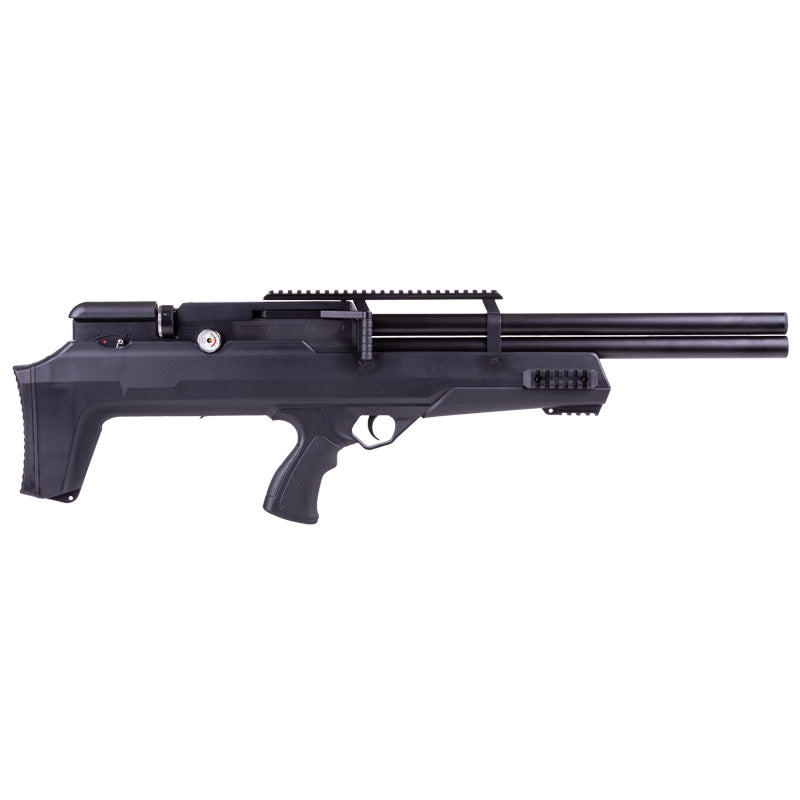
PCP stands for Pre-Charged Pneumatic. These are air rifles that have an internal tank that is filled with air under high pressure, usually with a pump or compressor. These weapons are more powerful and accurate than spring-powered and CO2 models. They are often used by sport and competition shooters, and hunters. The disadvantage is that PCP rifles are more expensive and you need additional equipment to fill the tank.
PCP rifles are known for their quiet operation and minimal recoil, making them ideal for precision shooting at longer distances. The higher purchase price is offset by better performance and the convenience of multiple shots without re-cocking.
Types of pellets and calibres
When choosing an air rifle, it is important to also consider the calibre and type of pellets. Pellets are the ammunition for air rifles and come in various shapes and sizes.
Calibre
Most air rifles use pellets with a diameter of 4.5 millimetres (.177 calibre) or 5.5 millimetres (.22 calibre). The calibre determines the size and weight of the pellet, and thus its impact and accuracy.
- Caliber 4.5 mm (.177): This is the most commonly used calibre for sport and recreation. It is light and fast, which ensures a flat trajectory and relatively high velocity. Suitable for target shooting and competitive sport.
- 5.5 mm (.22) calibre: This calibre is heavier and delivers more impact, making it more suitable for plinking and small game hunting. The pellets fly slightly slower but deliver more energy at the target.
Some air rifles are also available in 6.35 mm (.25) calibre, which is even heavier and is mainly used for specialised applications. This calibre is used, for example, by hunters who want to hunt larger small animals.
Types of pellets
There are different types of pellets, each designed for specific applications:
- Flat head (wadcutter): These pellets are flat and suitable for precision shooting on paper. They cause a clean round cut-out in the target, making them popular with competitive shooters.
- Hollow point: These pellets are designed to expand on impact, causing more damage. They are often used for hunting or pest control, as they efficiently eliminate the target.
- Pointed pellets: These are more aerodynamic and suitable for longer distances and greater precision. Their pointed shape means they lose less speed and have a more stable flight.
Depending on your usage, it is important to experiment with different pellet types to determine which one best suits your air rifle. Some weapons perform better with a certain type of pellet, so testing can greatly improve accuracy.
Legal regulations and permits in the Netherlands
In the Netherlands, specific rules apply to the possession and use of air rifles. It is essential to be aware of these rules in order to avoid any issues.
- Air rifles with a muzzle energy of up to 7.5 joules may be freely sold and possessed by persons aged 18 or older. A licence is not required.
- For air rifles with a muzzle energy exceeding 7.5 joules A firearms licence is required. This is important to know if you wish to purchase a more powerful model.
- It is prohibited to carry an air rifle in public., except when being transported to a shooting range or other approved location. During transport, the weapon must be kept in a closed case or bag.
- Shooting is only permitted on private property or at an approved shooting range. Shooting is prohibited in public spaces.
- Children may use an air rifle under adult supervision.
These rules are in place to ensure safety and prevent misuse. It is wise to check the current legislation with the Ministry of Justice or the police before purchasing an air rifle. There are often local regulations as well, so be sure to inquire about these.
What should you look for when buying an air rifle?
When purchasing an air rifle, there are several factors to consider:
Purpose of use
First, decide what you want to use the air rifle for. Do you want to shoot recreationally, for sport, for hunting or to control pests? Each purpose requires a different type of air rifle with specific characteristics. For competitive shooting, for example, you need an accurate and lightweight weapon, while for hunting, power and reliability are paramount.
Budget
Air rifles vary greatly in price. A simple spring-powered model can be purchased for around £85, while high-quality PCP rifles can sometimes cost more than £850. Decide on your maximum budget and choose a model that fits within that budget. Also consider additional costs such as pellets, accessories and any maintenance materials.
Performance
Pay attention to muzzle energy (joules), accuracy, range, recoil and weight. These factors determine shooting comfort and suitability for your application. For example, if you want an air rifle for long distances, choose a model with higher muzzle energy and good accuracy.
Ergonomics and weight
A weapon that fits well in your hand, is comfortable and suits your physique will improve your shooting performance. This makes a big difference, especially during longer sessions. Therefore, try out the weapon before you buy it, if possible.
Accessories
Consider rifle scopes, silencers, carrying straps, and storage cases. Some air rifles come complete with accessories, which can offer added value. Also consider a bullet trap for safe practice and possibly shooting glasses for protection.
Safety and responsible use
Safety is paramount when using an air rifle. Always observe the following guidelines:
- Never point the weapon at people or pets.
- Ensure that you always have a suitable bullet trap to prevent ricochets.
- Wear safety goggles to prevent eye injuries.
- Keep the weapon locked away and out of the reach of children.
- Always check that the weapon is unloaded before storing or transporting it.
- Follow the manufacturer's instructions and participate in safety training if you deem it necessary.
Safety begins with awareness and discipline. Responsible use of an air rifle prevents accidents and ensures that the sport or hobby remains enjoyable.
Maintenance and cleaning
Proper maintenance extends the life of your air rifle and ensures optimal performance. A neglected weapon can become unreliable or damaged.
- Clean the barrel regularly with a special cleaning rod or brush to remove dirt and pellet residue.
- Lightly lubricate moving parts with suitable gun grease to prevent rust and wear.
- Regularly check seals and components for wear, especially on PCP rifles where airtightness is crucial.
- With PCP rifles, the tank must be checked periodically for pressure and any leaks. This prevents dangerous situations and loss of performance.
- Follow the manufacturer's maintenance instructions carefully.
Popular brands and models
There are many brands on the market offering a wide range of air rifles for different users:
- Gamo: Offers a wide range, from entry-level models to powerful PCP rifles. Known for good value for money.
- Hatsan: Turkish manufacturer that primarily produces robust and powerful weapons, often popular with hunters.
- Incense: German brand known for its reliability and precision. Often a bit more expensive, but with excellent workmanship.
- Diana: Traditional German brand with a wide range of products, popular with sport and recreational shooters.
- Benjamin: Specialist in PCP rifles, with advanced models for serious shooters.
Where can you buy an air rifle?
Physical shops
The advantage of a physical shop is that you can hold the air rifle, get advice from an expert and take it home with you straight away. Good shooting shops often offer test shooting or give demonstrations.
Online shops
Online, you often find a wider range and competitive prices. Make sure you buy from a reliable webshop that complies with Dutch legislation and offers a guarantee. Find out about the terms and conditions and delivery time in advance. It is also wise to read reviews and check whether the webshop is recognised within the shooting sports industry.
Sport shooting with air rifles
Air rifle shooting is a recognised sport with many enthusiastic practitioners. There are associations and clubs where you can learn to shoot under supervision, train for competitions and participate in competitions. 10-metre air rifle shooting is an Olympic discipline that requires extreme precision and concentration.
Becoming a member of a shooting club has several advantages. You receive professional guidance, can practise safely, and learn the rules and etiquette of shooting sports.
Improve your shooting technique
Good technique is essential for accurate shooting. Here are a few tips:
- Maintain a stable, relaxed posture with both feet firmly on the ground.
- Hold the weapon with a relaxed grip, without tension in the arms.
- Aim carefully using the sight or telescopic sight.
- Breathe calmly and make the shot during a natural pause in your breathing.
- Pull the trigger slowly and in a controlled manner to prevent jerks.
- After firing, maintain your posture and aim in order to properly assess the effect of the shot.
With sufficient practice and patience, you will improve your accuracy and enjoy shooting more.
Conclusion
Buying an air rifle is not something you do on a whim. It is important to be well informed in advance about the different types, how they work, legal regulations, safety measures and maintenance. Determine your budget and intended use, and choose an air rifle that suits your needs. With responsible use and proper maintenance, you can enjoy shooting with an air rifle for years to come, whether for recreational, sporting or small game hunting purposes.
Would you like to know more? Visit a local shooting club or contact a specialist for personal advice.

Any questions please call!
+31 416 53 01 41Customer review